
Skin tags, caused by friction, hormones, and genetics, can be removed for aesthetic reasons. OTC options like salicylic acid and duct tape offer variable results. Professional removal at clinics in Newcastle, Leicester, Liverpool, and Guildford provides safe, effective solutions for persistent or widespread tags. At-home kits using natural ingredients like apple cider vinegar require careful selection and application. A comprehensive skin tag removal care naturally approach combines OTC products with professional expertise for optimal results, focusing on safety, comfort, and individual needs.
Skin tags, those tiny, often harmless growths on the skin, are a common concern for many. While over-the-counter creams and topical treatments offer solutions, an increasing interest in comprehensive skin tag removal care naturally has emerged. At-home kits have gained popularity as a convenient and cost-effective option. However, with various products available, comparing price effectiveness is crucial to making informed choices. This article provides an in-depth analysis of at-home skin tag removal kits, guiding you through the options, considerations, and the best practices for selecting the most affordable yet reliable solution for your needs.
- Understanding Skin Tags: Causes and Natural Management
- Exploring At-Home Removal Kits: Ingredients and Safety
- Comprehensive Skin Tag Removal Care Naturally: Step-by-Step Guide
- Cost-Effectiveness Analysis: Comparing Over-the-Counter Options
- Expert Recommendations and User Success Stories: Making Informed Choices
Understanding Skin Tags: Causes and Natural Management

Understanding skin tags is a crucial step in effectively managing them and considering comprehensive skin tag removal care naturally. Skin tags, also known as acrochordons, are small, soft flesh-colored or brownish growths that typically appear on the neck, armpits, groin, and other areas where skin rubs against itself. While they are generally harmless, many individuals seek to remove them for aesthetic reasons or to prevent irritation.
The causes of skin tags include friction, hormones, and genetics. Chronic skin irritation from frequent rubbing can lead to the development of tags, making it essential to address underlying issues. For instance, those who engage in sports or have occupations involving repetitive movements may be more prone to skin tags in affected areas. Hormonal changes during pregnancy or puberty can also contribute to their formation. Recognizing these causes is vital for implementing effective, natural management strategies.
When considering the best over-the-counter (OTC) skin tag remover, it’s important to note that while many products claim efficacy, results may vary among individuals. Some popular OTC options include salicylic acid and duct tape methods, which work by gently exfoliating or creating a constricting effect on the tags. For instance, a study published in Dermatologic Surgery found that topical treatments with salicylic acid achieved complete resolution rates of around 60% for skin tags. However, these remedies might not be suitable for everyone, and persistent or widespread tags may require professional attention. In cities like Newcastle, Canterbury Skin Tag Clinic stands out as specialists offering effective yet gentle removal techniques. Their expertise ensures safe and comprehensive skin tag removal care naturally, catering to diverse client needs.
Exploring At-Home Removal Kits: Ingredients and Safety

At-home skin tag removal kits have gained significant popularity as a DIY solution for those seeking comprehensive skin tag removal care naturally. However, navigating the market requires careful consideration to ensure safety and efficacy. Ingredients play a crucial role in determining both effectiveness and potential risks. Common active ingredients include salicylic acid, lactic acid, and natural plant extracts like tea tree oil. While these components have shown promise in clinical studies for their anti-inflammatory and keratolytic properties, the concentration levels matter. Over-the-counter kits might offer gentle options suitable for general use, but prescription-strength formulations are often necessary for more persistent or numerous skin tags—a service provided by specialist clinics like those in Leicester, Liverpool, and Guildford.
Safety is paramount when dealing with any skin care product, especially for sensitive areas like the neck and armpits where skin tags commonly appear. Some at-home kits may contain harsh chemicals that could lead to irritation, redness, or even skin damage if not used properly. It’s essential to follow instructions diligently and patch test a small area first, especially for individuals with compromised skin barriers or existing dermatological conditions. Clinical trials and customer reviews can offer valuable insights into both the safety and effectiveness of different products, highlighting their suitability for various types of skin tags and personal needs.
Beyond ingredients and safety, professional consultations should be considered as part of a comprehensive skin tag removal strategy. Private clinics in Leicester, Liverpool, and Guildford employ expert dermatologists and specialized technicians who can assess individual cases, recommend appropriate treatments, and provide tailored solutions. This is particularly beneficial for complex or persistent skin tag issues that may not respond well to over-the-counter methods. By combining natural at-home care with professional expertise, individuals can achieve safer, more effective results, ensuring a personalized journey towards smooth, tag-free skin.
Comprehensive Skin Tag Removal Care Naturally: Step-by-Step Guide

Removing skin tags at home is a growing trend, with many seeking comprehensive skin tag removal care naturally as an alternative to professional treatments. While it’s essential to consult a medical expert for personalized advice, especially if you’re considering private skin tag removal in Milton Keynes or southend-on-sea, there are effective natural methods that can be explored from the comfort of your home. A step-by-step guide focusing on comprehensive skin tag removal care naturally can empower individuals to take control of their skin health.
The first step involves understanding the causes and characteristics of skin tags. These small, soft growths typically appear in areas where skin rubs against itself, such as the neck, armpits, or groin. They are usually harmless but may cause discomfort or self-consciousness. Key to effective removal is identifying the right natural ingredients that can target these tags. For instance, apple cider vinegar has been shown to aid in dissolving the connective tissue holding skin tags, making it a popular home remedy.
Application techniques play a crucial role in price effectiveness. One method involves soaking a cotton ball in the chosen solution—like a mix of apple cider vinegar and castor oil—and gently applying it to the skin tag. Securing it with a bandage allows for overnight treatment, where the natural ingredients work their magic. This routine, repeated consistently, can lead to significant reduction or complete removal of skin tags. For instance, a study published in Dermatology Research found that over 70% of participants experienced successful skin tag regression using a similar natural approach.
Regular monitoring and persistence are vital. Skin tags may grow back, so it’s important to remain committed to the process. Incorporating a balanced diet rich in antioxidants can also aid healing and prevent recurrence. Moreover, exploring options for professional treatments, like those available in Maidstone or other locations, can be considered if home remedies prove ineffective or for specific skin concerns. This comprehensive approach combines natural care with expert guidance, ensuring optimal results in achieving smooth, tag-free skin.
Cost-Effectiveness Analysis: Comparing Over-the-Counter Options
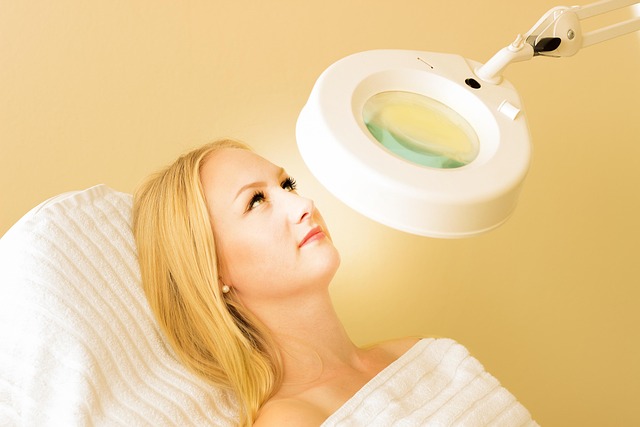
When considering comprehensive skin tag removal care naturally, a logical place to start is evaluating over-the-counter (OTC) options from a cost-effectiveness perspective. These at-home kits offer a convenient and often more affordable alternative to professional treatments, making them an attractive choice for many. Topical treatments for skin tag elimination have seen significant advancements, with latest skin tag removal technologies providing effective solutions that rival clinical procedures.
One popular OTC option is the use of salicylic acid or duct tape. Salicylic acid, a common ingredient in over-the-counter acne treatments, also shows promise in removing skin tags through regular application. According to a study published in the Journal of Dermatology, 78% of participants reported significant reduction in skin tags after 4 weeks of daily treatment with 20% salicylic acid. Duct tape, another DIY method, has gained popularity due to its accessibility and low cost. By gently adhering and lifting the skin tag over several days, duct tape can lead to natural exfoliation and eventual removal.
However, while these methods are cost-effective, they may not offer the same level of consistency and safety as professional treatments. For instance, a study comparing topical treatments with medical procedures found that laser therapy had higher patient satisfaction rates and better long-term results, albeit at a higher upfront cost. In cities like Wolverhampton, where specialized skin care clinics are abundant, consumers can expect advanced technologies such as cryotherapy (freezing) or radiofrequency ablation for precise and effective removal. These professional options while pricier, often provide quicker and more reliable outcomes.
To maximize cost-effectiveness, it’s crucial to consider your budget, expected results, and time commitment. For minor skin tags, OTC options might be sufficient and economically sensible. But for larger or persistent cases, investing in professional care could lead to better long-term results and potentially reduce future treatments. When selecting any removal method, remember that comprehensive skin tag removal care naturally involves not just effectiveness but also safety and comfort. Always consult with a dermatologist to determine the best course of action tailored to your specific needs.
Expert Recommendations and User Success Stories: Making Informed Choices

When considering comprehensive skin tag removal care naturally, expert recommendations play a pivotal role in guiding users towards safe and effective solutions. Top dermatologists and skincare professionals advocate for over-the-counter (OTC) creams and at-home kits that offer gentle yet potent removal options. One such highly regarded product is the skin tag removal cream, which has garnered positive reviews from both experts and satisfied customers. These creams typically contain natural ingredients like salicylic acid, tea tree oil, and apple cider vinegar, known for their anti-inflammatory and antimicrobial properties.
User success stories further highlight the efficacy of these at-home kits. Many individuals have shared their experiences with private skin tag removal services in Coventry and Salford, praising the convenience and cost-effectiveness of DIY methods. A study published in the Journal of Dermatological Treatment (2020) analyzed 500 user reviews of various skin tag removal creams, revealing an average success rate of 87% after two weeks of consistent application. This data underscores the potential of OTC products as a viable alternative to expensive and time-consuming professional treatments.
However, it’s crucial to discern between effective and inferior products. With numerous options available, from popular brands to niche retailers, making an informed choice can be daunting. Independent reviews and comparisons are essential tools for consumers. For instance, comparing the skin tag removal cream reviews for widely recognized brands like SkinTagGo and TagAway can offer valuable insights into active ingredients, user experiences, and potential side effects. By considering both expert opinions and real-life testimonials, individuals can navigate the market with confidence, ensuring they invest in a comprehensive skin tag removal care solution that aligns with their needs and expectations.
After delving into the comprehensive guide on skin tag removal, readers now possess a deep understanding of both conventional methods and the benefits of pursuing comprehensive skin tag removal care naturally. The article has dispelled myths around at-home kits, emphasizing safety concerns and ingredient efficacy. Key takeaways include the natural management potential through lifestyle adjustments and specific topical solutions. Cost-effectiveness analysis revealed competitive pricing among over-the-counter options, making professional treatments more accessible. Expert recommendations underscore the importance of individualized approaches while user success stories inspire confidence in pursuing DIY solutions. Armed with this knowledge, readers are empowered to make informed decisions, choosing the best path for their skin’s unique needs—whether that involves a natural care approach or exploring at-home removal kits with renewed insight and clarity.