
Skin tags, caused by friction or irritation, can be removed through natural methods (apple cider vinegar, salicylic acid) or professional treatments (cryotherapy, surgery). OTC products with salicylic acid or lactic acid are effective and accessible. Comprehensive skin tag removal care involves consistent exfoliation, dietary changes, and keeping skin clean. For severe cases, consult dermatologists for tailored professional options.
Skin tags are a common yet often embarrassing skin condition, affecting individuals across various demographics. These small, soft bumps can appear anywhere on the body, particularly in areas where skin rubs against itself. While over-the-counter remedies abound, many lack scientific backing or may cause discomfort. Therefore, it’s crucial to explore effective, safe treatments for comprehensive skin tag removal care naturally. This article delves into the science behind various methods, providing a thorough guide to eliminate these unsightly tags once and for all.
- Understanding Skin Tags: Causes and Types
- Natural Remedies for Gentle Removal at Home
- Over-the-Counter Treatments: Active Ingredients Explained
- Comprehensive Skin Tag Removal Care Naturally
- Prevention and Long-Term Management Strategies
Understanding Skin Tags: Causes and Types

Skin tags, those small, soft pieces of skin that hang off various parts of the body, are a common concern for many individuals. While they are generally harmless, some people find them unsightly or uncomfortable. Understanding the causes and types of skin tags is a crucial step in selecting effective over-the-counter treatments.
The primary cause of skin tags is friction or irritation of the skin. This can occur due to clothing rubbing against the same area repeatedly, especially in areas with natural folds like the neck, armpits, or groin. Hormonal changes, obesity, and certain skin conditions like eczema or diabetes can also increase susceptibility to developing these growths. Different types include acrochordons, which are small, soft tags often found on the neck; verrucae, hard, rough tags that may itch; and pigmented tags, which have a dark coloration due to increased melanin production.
When it comes to removal, many people turn to natural ways to get rid of skin tags instead of clinical procedures. A comprehensive skin tag removal care naturally approach can be effective. For instance, applying apple cider vinegar or salicylic acid, available over the counter, can help dissolve the skin tag over time. Additionally, using duct tape has gained popularity; this method involves covering the tag with a piece of duct tape for several days until it falls off. St-Helens Skin Tag Clinic and Manchester’s leading dermatology centers often recommend these natural approaches due to their minimal side effects and affordability. However, if tags are numerous or causing discomfort, professional removal options like cryotherapy (freezing) or surgical excision might be more suitable, as advised by experts at top clinics like St-Helens Skin Tag Clinic in Manchester 1-3 times, depending on the severity.
Natural Remedies for Gentle Removal at Home

Skin tags are a common skin condition, often appearing as small, soft, flesh-colored growths or bumps on various parts of the body. While they are generally harmless, many individuals seek effective and gentle methods for their removal due to aesthetic concerns or discomfort. One appealing approach is exploring natural remedies for comprehensive skin tag removal care at home. This strategy not only offers a more soothing alternative but also provides an accessible solution for those seeking over-the-counter treatments that actually work.
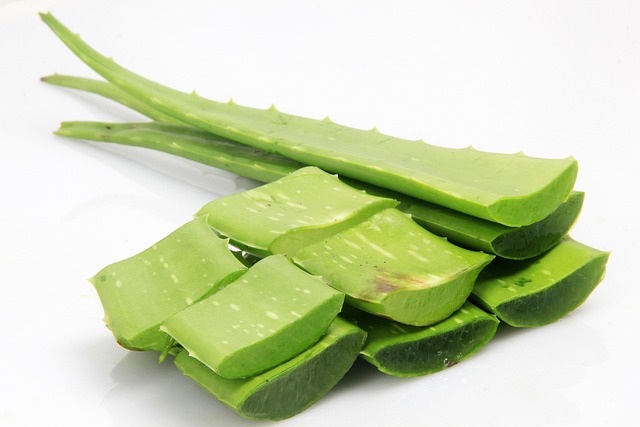
Among the myriad of options available, essential oils have garnered attention for their potential in addressing skin tags naturally. For instance, tea tree oil, known for its antimicrobial and anti-inflammatory properties, has shown promise in clinical studies as a topical treatment. Similarly, apple cider vinegar, a popular home remedy, can be applied topically to help remove skin tags by gently exfoliating the skin and potentially weakening the connection of the tag to the underlying tissue. Other natural remedies include the use of aloe vera gel for its soothing properties and banana peels, which contain enzymes that may aid in shedding skin tags over time.
For those seeking professional guidance or more targeted solutions, there are several highly regarded options like the private skin tag removal services available in locations such as Blackpool. These specialized treatments offer a comprehensive approach to addressing skin tags, ensuring safety and effectiveness. For instance, cryotherapy, also known as freezing, is a common procedure where liquid nitrogen is used to destroy the skin tag, often with minimal downtime. Alternatively, surgery can be an option for larger or more persistent skin tags, though it typically involves a medical professional like a dermatologist in areas like Gloucester.
When considering over-the-counter skin tag removal products, it’s essential to choose options that are backed by scientific evidence and user testimonials. The best removers often contain active ingredients such as salicylic acid or duct tape, which have shown effectiveness in various studies. It’s recommended to apply these treatments diligently as directed, being mindful of potential side effects like irritation or dryness. Remember that consistency and patience are key when attempting natural or at-home skin tag removal, as results may vary based on individual factors.
Over-the-Counter Treatments: Active Ingredients Explained
Over-the-counter (OTC) treatments offer a convenient and accessible approach to addressing skin tags, providing an alternative to more invasive procedures. When selecting OTC options for comprehensive skin tag removal care naturally, understanding the active ingredients is paramount. Common active components, such as salicylic acid and aminoacetic acid (PTA), have shown effectiveness in removing skin tags by gently exfoliating the skin’s surface and dissolving the glue-like substance that holds them in place.
For instance, a study published in the Journal of Dermatological Treatment found that topical applications of salicylic acid gel achieved significant reductions in skin tag size and number over an 8-week period. This gentle yet potent exfoliant is widely available and well-tolerated by most skin types, making it a popular choice for OTC remedies. Similarly, aminoacetic acid (PTA), a derivative of salicylic acid, has gained attention for its ability to dissolve the protein bonds that secure skin tags. Products containing PTA are often preferred by those seeking private skin tag removal in Manchester or Blackpool, as they offer discreet and effective solutions without the need for in-person consultations.
Another active ingredient worth noting is lactic acid, a gentle alpha hydroxy acid (AHA) that promotes cell turnover and exfoliation. This natural compound is particularly beneficial for individuals with sensitive skin, as it provides a milder alternative to stronger acids. Topical creams or gels containing lactic acid can help soften and eventually remove skin tags through regular application. For those residing in Maidstone or surrounding areas seeking private skin tag removal, the availability of OTC products containing these active ingredients offers a convenient and cost-effective starting point for comprehensive care.
When considering OTC treatments, it’s crucial to select products with well-established active ingredients and follow usage instructions carefully. Consistency is key; regular application often yields the best results. Additionally, users should be mindful of potential side effects, such as skin irritation or dryness, especially when using stronger concentrations. Consulting a dermatologist can provide valuable guidance for personalized recommendations, ensuring that you embark on a safe and effective journey towards achieving smooth, tag-free skin.
Comprehensive Skin Tag Removal Care Naturally

Skin tags are a common skin condition characterized by small, soft flesh-colored growths that can appear anywhere on the body. While they are generally harmless, many people seek effective over-the-counter treatments to remove them for aesthetic reasons or to alleviate discomfort caused by friction. This section delves into comprehensive natural skin tag removal care, offering a practical guide for those looking for non-invasive solutions.
Comprehensive skin tag removal involves a multi-step approach that addresses the root causes of these tags and promotes their safe elimination. Topical creams containing salicylic acid or apple cider vinegar have shown promise in clinical studies, as they can dissolve the dead skin cells that form tags. However, direct application to sensitive areas should be done with caution, under professional guidance, especially for individuals seeking private skin tag removal in Rotherham or Cambridge, ensuring a safe and hygienic environment. Regular exfoliation with gentle scrubs or loofas can also help soften and eventually remove tags by reducing their anchor-like hold on the skin.
Beyond topical treatments, certain natural remedies have gained traction for their purported effectiveness. For instance, applying tea tree oil or aloe vera gel has been shown to possess anti-inflammatory and antimicrobial properties that may aid in tag reduction. Additionally, lifestyle adjustments such as maintaining a balanced diet, staying hydrated, and incorporating regular exercise can improve overall skin health, potentially influencing the appearance of skin tags over time. For those seeking private skin tag removal in Mansfield or nearby areas, consulting dermatologists or experienced medical professionals is recommended to discuss tailored options and mitigate risks.
It’s important to approach home remedies with realism, as results may vary significantly among individuals. A combination of natural treatments and professional advice can offer the best path forward for comprehensive skin tag removal care. By understanding the root causes and employing a strategic, holistic approach, one can effectively manage or eliminate skin tags while prioritizing long-term skin health.
Prevention and Long-Term Management Strategies

Skin tags, those tiny, harmless growths on the skin, may seem like a minor concern, but for many, they can be unsightly and uncomfortable. While over-the-counter treatments offer a temporary solution, focusing on comprehensive skin tag removal care naturally, and preventing regrowth, is key to long-term management. This involves a multi-faceted approach that goes beyond quick fixes.
One effective strategy is consistent exfoliation. Regularly removing the top layer of skin can help eliminate tags gently and promote cell turnover. Gentle exfoliants like sugar scrub or chemical exfoliators with AHAs (alpha hydroxy acids) can be used daily, taking care not to irritate sensitive areas. Additionally, maintaining a healthy diet rich in antioxidants supports skin health from within. Foods high in vitamins C and E, such as citrus fruits and nuts, strengthen the immune system and may help prevent new tags from forming.
A working skin tag clinic, like those found in Rotherham, often recommends combining topical treatments with lifestyle changes. For instance, keeping the affected areas clean and dry can hinder the growth of tags. Using warm water and mild soap to gently cleanse, followed by patting dry, reduces moisture that may contribute to tag development. Moreover, clothing that rubs against the skin can aggravate tags, so wearing loose-fitting garments or using tape to minimize friction offers relief and prevents further irritation.
While home remedies like apple cider vinegar and garlic paste have gained popularity for how to get rid of skin tags, their effectiveness varies from person to person. Working with a skilled dermatologist at a reputable clinic can provide more reliable results. Professional treatments, such as cryotherapy (freezing) or surgical removal, offer permanent solutions, albeit with potential side effects. Therefore, consulting a specialist is advisable for severe cases or those seeking long-lasting relief.
By understanding the causes and types of skin tags and exploring both natural remedies and over-the-counter treatments, readers gain a comprehensive toolkit for effective skin tag removal. Key insights include the role of active ingredients like salicylic acid and duct tape in targeted elimination, as well as the importance of gentle, natural care to prevent irritation. The article emphasizes that while some methods offer quick fixes, a holistic approach focusing on comprehensive skin tag removal care naturally yields lasting results. Practical next steps include incorporating regular exfoliation, choosing suitable over-the-counter products, and adopting preventive strategies to maintain healthy skin. This authoritative guide equips readers with the knowledge to make informed decisions for effective and safe skin tag management.