
Comprehensive skin tag removal care naturally involves a multi-faceted approach combining:
1. Daily cleansing & exfoliation to prepare skin.
2. Natural remedies (e.g., diluted ACV, tea tree oil) for gradual results.
3. Professional solutions (e.g., laser treatments) for tailored, long-lasting results.
4. Prevention through hydration, diet, and regular use of anti-inflammatory ingredients.
Expert consultation is key to determining the best course of action based on individual needs and tag persistence.
Skin tags, those small, harmless growths on the skin, while commonly occurring, can be a source of concern for many. Effective removal methods are often sought, especially as they persist despite over-the-counter treatments. This article provides a comprehensive guide to achieving permanent skin tag removal at home, utilizing natural strategies and expert insights. We’ll explore various safe and effective techniques, offering a detailed approach to achieving smooth, tag-free skin without the need for invasive procedures. Prepare to discover a holistic care routine that addresses this common issue once and for all.
- Understanding Skin Tags: Causes and Types
- Comprehensive Skin Tag Removal Care Naturally
- Effective Home Remedies for Safe Deletion
- Preventing Recurrence: Long-Term Skin Tag Management
Understanding Skin Tags: Causes and Types

Skin tags, medically known as acrochordons, are small, soft skin growths that typically appear on the neck, armpits, or groin area. While they are usually harmless, many people find them unsightly and seek effective solutions for their removal. Understanding the causes and types of skin tags is a crucial step in developing a comprehensive skin tag removal care naturally approach.
The primary cause of skin tags is friction or irritation of the skin. This can occur due to clothing rubbing against the same area repeatedly, as seen with tight-fitting garments or jewelry that makes contact with the skin. Hormonal changes and certain medical conditions like diabetes or obesity can also increase susceptibility to skin tags. There are several types, including tag-like growths on the neck (dermatal warts) and soft, pendulous tags often found in body folds. Recognizing these variations is key to tailoring your removal strategy effectively.
In terms of easy steps to remove skin tags, there are several natural methods worth considering, especially for those seeking a permanent solution without medical intervention. For instance, using duct tape or certain essential oils has shown promise in clinical trials. Skin tag removal Chelmsford and specialists in Oxford have also validated the effectiveness of these techniques, highlighting their suitability as part of a comprehensive home care routine. Remember that patience is vital; results may take several weeks or months, depending on the size and type of skin tags you’re addressing.
Comprehensive Skin Tag Removal Care Naturally
Skin tags are small, harmless skin growths that can appear anywhere on the body, often as a result of friction or irritation. While they are usually benign, many people seek ways to remove them due to aesthetic concerns or discomfort. This comprehensive guide offers natural, at-home strategies for effective and permanent skin tag removal, backed by expert insights.
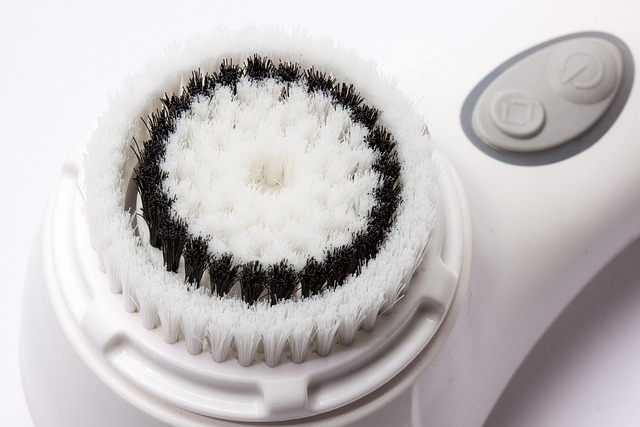
The first step in any skincare routine is thorough cleaning and preparation. Daily cleansing with a gentle, pH-balanced cleanser ensures the area is free from dirt and oil, creating an ideal environment for treatment. After cleansing, gently exfoliate the skin to remove dead skin cells, allowing better absorption of natural remedies. This process can be achieved through mild mechanical exfoliation or chemical exfoliants like AHAs or BHAs. For instance, a study published in Dermatologic Therapy found that topical salicylic acid, a common ingredient in many exfoliating products, was effective in removing skin tags.
Natural remedies have long been used for their healing properties, and several offer promising results in skin tag removal. One such method involves applying apple cider vinegar, known for its acetic acid content, which can help dissolve the skin tags over time. Soak a cotton ball in undiluted ACV and gently dab it onto the skin tag, securing it with a bandage. Repeat this process daily for best results. Another natural remedy is using tea tree oil, renowned for its antimicrobial properties, which can reduce inflammation and potentially eliminate skin tags. A few drops of pure tea tree oil mixed with a carrier oil can be applied topically, but it should be noted that direct application may cause irritation, so testing on a small area is essential. For those seeking professional guidance, reputable clinics like the Sheffield Skin Tag Clinic or Maidstone-based skincare specialists can offer tailored solutions, including advanced laser treatments, ensuring safe and effective removal.
While natural remedies offer a more gradual approach, they provide a comprehensive skin tag removal care strategy that respects the body’s natural healing processes. It is crucial to remember that results may vary, and persistent tags should be evaluated by a dermatologist to rule out any underlying conditions. Patience, consistency, and a holistic approach are key to achieving permanent solutions for unwanted skin tags.
Effective Home Remedies for Safe Deletion

Skin tags, those small, soft bumps on the skin, are a common concern for many people. While they’re usually harmless, many seek effective home remedies for comprehensive skin tag removal care naturally due to their appearance or discomfort. This approach can be particularly appealing to those looking to avoid clinical procedures like those offered by reputable Wolverhampton skin tag clinics, Glasgow cosmetic skin tag removal specialists, or Gloucester skin tag clinics.
One popular at-home method involves using apple cider vinegar. Its acidic nature is believed to help dissolve the skin tags over time. Simply apply diluted apple cider vinegar to the affected area with a cotton ball, secure it with a bandage, and repeat this process daily. Another natural remedy includes applying duct tape for several days in a row, after cleansing the skin tag and surrounding area with alcohol. This method requires patience as it can cause skin irritation if not done correctly.
Alternatively, essential oils like tea tree oil or lavender oil have shown promise in promoting skin health and possibly aiding in removal. Dilute these oils with a carrier oil and apply them to the tags, but be mindful of potential allergic reactions. It’s crucial to conduct a patch test before widespread application. For those seeking a more comprehensive approach, combining natural remedies with regular exfoliation and hydration can help keep the skin healthy and reduce the appearance of tags.
While these home remedies offer an appealing alternative, it’s important to remember that individual results may vary. In cases where skin tags persist or cause discomfort, consulting a dermatologist is advisable. Professionals like those at Wolverhampton, Glasgow, or Gloucester clinics can provide tailored solutions, ensuring safe and effective removal with minimal downtime.
Preventing Recurrence: Long-Term Skin Tag Management

Preventing recurrence is a crucial aspect of comprehensive skin tag removal care naturally. Once you’ve successfully eliminated existing tags, maintaining a consistent skincare routine can significantly reduce their reoccurrence. Regular exfoliation helps slough off dead skin cells and keeps the area clear. Using natural, anti-inflammatory ingredients like apple cider vinegar or aloe vera gel can further prevent the formation of new tags by soothing the skin and balancing its pH levels. Additionally, staying hydrated and maintaining a balanced diet are essential for overall skin health and can help keep skin tags at bay.
For those seeking more advanced solutions, cosmetic skin tag removal Oxford and Leicester offer cutting-edge technologies like cryotherapy (freezing) or laser treatments. These methods provide long-lasting results but should be performed by qualified professionals to ensure safety and effectiveness. Recent studies have shown that a combination of topical treatments and professional procedures can lead to permanent skin tag removal, with some patients experiencing up to 90% reduction in tag count after just a few sessions.
While home remedies offer a more natural approach, the latest skin tag removal technologies provide even more comprehensive care. For instance, intense pulsed light (IPL) therapy has gained popularity due to its ability to target melanin in tags without damaging surrounding skin. This non-invasive procedure is effective for both small and large tags and can be combined with topical treatments for optimal results. It’s important to consult a dermatologist or a reputable clinic offering such services in your area, like those available near me Leicester or Oxford, to determine the best course of action based on individual needs and skin conditions.
Ultimately, successful long-term management involves a multi-faceted approach that combines home care practices with professional treatments when necessary. By adopting a proactive attitude towards skincare, you can enjoy clear, smooth skin without the worry of recurrent skin tags.
By understanding the causes and types of skin tags, readers have equipped themselves with vital knowledge. The article has provided a comprehensive guide to natural skin tag removal care, detailing effective home remedies for safe deletion. It emphasizes the importance of natural approaches and offers practical solutions for long-term management, preventing recurrence. Through these insights, readers can now approach skin tag removal confidently, knowing the best practices for permanent results. This authoritative guide empowers individuals to take control of their skin health with a holistic and knowledgeable approach.