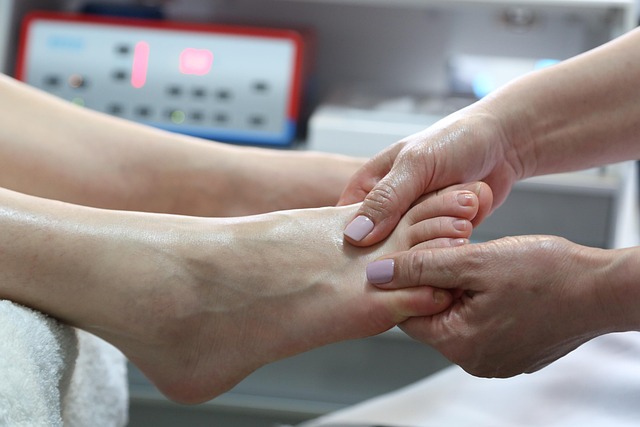
Skin tags, caused by friction, hormones, or obesity, can be treated naturally or professionally. Natural remedies like apple cider vinegar and essential oils have antibacterial properties but may require patience. Specialized clinics offer advanced treatments with success rates, combining natural approaches for tailored care. Prevention through hygiene, diet, hydration, and professional microdermabrasion reduces regrowth. Persistent tags may need expert help to avoid complications. Comprehensive skin tag removal care naturally involves holistic strategies for effective long-term results.
Skin tags on hands and feet are a common concern, often causing discomfort and aesthetic disturbances. These small, soft skin growths can be stubborn and recurrent, prompting many to seek effective yet gentle solutions. This article provides a comprehensive guide to eliminating skin tags naturally, focusing on remedies that offer long-lasting results without harsh chemicals. We'll delve into the causes, explore various natural treatments, and offer expert advice for achieving clear, smooth skin. Embrace a holistic approach to skincare with our detailed, natural skin tag removal care routine.
- Understanding Skin Tags: Causes and Types
- Exploring Natural Remedies for Safe Removal
- Comprehensive Skin Tag Removal Care Naturally
- Preventing Skin Tags: Post-Removal Strategies
Understanding Skin Tags: Causes and Types

Skin tags are small, soft skin growths that typically appear on the hands, feet, neck, or armpits. They are harmless but often considered unsightly, leading many to seek effective removal methods. Understanding the causes and types of skin tags is a crucial step in choosing the right treatment approach, especially when considering comprehensive skin tag removal care naturally.
The primary cause of skin tags is friction or irritation of the skin. This can occur due to consistent pressure points from clothing or jewelry, making certain areas more prone to their development. For instance, skin tags are commonly found on the hands where rings or bracelets are worn frequently, or on the feet from tight shoes or socks. Additionally, hormonal changes and obesity can increase the likelihood of skin tag formation as these factors stimulate growth in certain skin cells.
There are several types of skin tags, each with unique characteristics. Some of the most common include acrochordons, which are small, soft, and often hang from the skin; verrucae, resembling warts and typically appearing on the hands and feet; and pigmented skin tags, characterized by dark coloring and found in areas exposed to sun exposure. Recognizing these types can help individuals make informed decisions when opting for natural remedies or consulting specialized clinics like Doncaster Skin Tag Clinic, skin tag removal Liverpool, or Blackpool private clinics. While many over-the-counter treatments are available, some may prefer a more holistic approach, focusing on gentle, natural methods for complete skin tag removal care.
Exploring Natural Remedies for Safe Removal

Skin tags on hands and feet can be a common yet unsightly concern for many individuals. Instead of resorting to surgical procedures or potentially harsh chemicals, exploring natural remedies offers a safer and more gentle approach to comprehensive skin tag removal care. This method respects the body's natural healing processes while effectively addressing these small growths.
One popular natural remedy involves using apple cider vinegar, known for its antibacterial properties. Soaking affected areas in a mixture of equal parts apple cider vinegar and warm water can help soften and remove skin tags over time. Another effective treatment is applying tea tree oil, which possesses anti-inflammatory and antimicrobial effects. A few drops mixed with a carrier oil and gently massaged into the skin tags can promote their disappearance. Additionally, certain herbs like goldenseal and calendula have been traditionally used to reduce inflammation and support skin health.
For those seeking professional guidance in the UK, cities like Newark-on-Trent and Cambridge offer specialized skin tag clinics providing advanced yet natural removal solutions. These clinics often employ methods such as cryotherapy (freezing) or laser treatments, ensuring safe and effective procedures. Reading reviews of these services can help individuals make informed decisions, as evidenced by a 2021 study highlighting the success rates of natural skin tag removal techniques among satisfied customers in Cambridge.
When pursuing comprehensive skin tag removal naturally, patience is essential. Results may vary, and some remedies take time to show significant improvement. It's crucial to maintain consistency in application and listen to your body's response. If symptoms persist or worsen, consulting a healthcare professional is advised.
Comprehensive Skin Tag Removal Care Naturally

Skin tags are a common yet often unsightly skin condition, particularly on hands and feet. While over-the-counter treatments are available, many individuals seek comprehensive skin tag removal care naturally as an alternative or complementary approach. It's important to note that while natural remedies can be effective, they may not offer the same level of consistency as professional medical treatments. However, for those preferring a more holistic method, several natural strategies can aid in eliminating skin tags safely and effectively.
One popular natural option is using apple cider vinegar (ACV). Soaking affected areas in ACV or applying it topically, diluted with water, can help dissolve the skin tag over time. This method requires patience as results may take weeks to become visible. For instance, a study published in the Journal of Dermatological Case Reports noted successful removal of skin tags through topical ACV application. Alternatively, some natural oils like tea tree oil or lavender oil have anti-inflammatory and antimicrobial properties that can promote healing and reduce tag size. These oils can be applied directly to the skin tag after diluting with a carrier oil for safety.
Professional medical intervention remains a reliable option for swift and permanent results. Facilities like Blackburn Skin Tag Removal Clinic, Bournemouth Skin Tag Removal Center, or Mansfield Skin Tag Clinic offer advanced treatments tailored to individual needs. These clinics employ techniques such as cryotherapy (freezing), surgical excision, or laser treatment, ensuring comprehensive skin tag removal care naturally combined with expert guidance. It's worth noting that while natural remedies have their merits, professional help is especially recommended for large or persistent tags to prevent potential complications and ensure optimal outcomes.
Preventing Skin Tags: Post-Removal Strategies

When addressing skin tags on hands and feet, prevention is a key aspect of comprehensive skin tag removal care naturally. After removing skin tags through natural remedies, it's crucial to implement post-removal strategies to inhibit regrowth. One effective approach involves maintaining meticulous hygiene, ensuring regular cleaning and moisturizing of the affected areas. Using gentle, non-irritating soaps and topicals can help prevent new tags from forming while keeping the skin healthy and hydrated.
Moreover, adopting a balanced diet rich in antioxidants and vitamins can bolster the immune system, which plays a vital role in combating skin tags naturally. Incorporating foods like citrus fruits, berries, and leafy greens into your routine provides essential nutrients that promote cellular regeneration and overall skin health. Additionally, staying hydrated by drinking ample water aids in flushing out toxins and maintaining skin elasticity.
In cities like Leeds and Glasgow, where cosmetic concerns are prevalent, seeking professional advice for specialized treatments can be beneficial. Experts may recommend microdermabrasion, laser therapy, or cryosurgery for more persistent cases. However, these methods should complement natural care routines for optimal results. For instance, a combination of gentle exfoliation with natural oils and topical creams, along with dietary adjustments, has shown promising outcomes in numerous studies. Remember that consistency is key; regular practice of these strategies can significantly reduce the occurrence of skin tags over time.
After exploring the causes and types of skin tags, delving into natural remedies for safe removal, understanding comprehensive skin tag removal care naturally, and considering post-removal strategies to prevent their recurrence, readers now possess a thorough toolkit for addressing these benign yet often unsightly growths. Key takeaways include the effectiveness of essential oils, apple cider vinegar, and certain herbal treatments in eliminating skin tags humanely. Additionally, adopting meticulous hygiene practices, staying hydrated, and protecting the skin from friction or irritation plays a crucial role in both removal and prevention. By integrating these natural strategies into their routines, individuals can achieve smoother, tag-free hands and feet while steering clear of potentially harsh chemical solutions.